

The Ultimate Guide to Victorian Bathroom Renovations: Design Ideas, Layouts, Materials & Inspiration
A successful Victorian bathroom renovation should respect the character of the property while making the room work beautifully for modern life. Freestanding baths, patterned tiles, metro walls, traditional brassware and heritage colours can all help create the right look, but the best results come from careful layout planning, considered materials, practical storage and high-quality installation. The aim is not to recreate the past exactly, but to design a period-style bathroom that feels elegant, usable and completely at home.
What Makes a Bathroom Feel Victorian?
Victorian bathroom styles are defined by proportion, detail and a sense of traditional elegance. They often combine decorative surfaces with strong, practical sanitary-ware, creating a room that feels characterful without becoming overly ornate.
The look might include a freestanding or roll-top bath, a high-level toilet, traditional taps, exposed shower fittings, patterned floor tiles, metro-style wall tiles, painted panelling, heritage colours or an ornate mirror. Chrome, nickel, brass and aged metallic finishes can all work well, depending on whether the room is being designed to feel crisp, classic, warm or more decorative.
The strongest Victorian bathroom designs rarely use every period reference at once. A more refined scheme usually starts with one or two key features, then allows the rest of the room to support them. That might mean a patterned floor with simple wall tiles, a statement bath with calmer furniture, or traditional brassware set within a cleaner modern layout.
For homeowners exploring this style, Hugo Oliver’s Victorian and period bathroom design service is a natural starting point, especially where the goal is to preserve period character while adding the comfort and practicality expected from a modern luxury bathroom.
Start With the Property, Not the Pinterest Board
The best Victorian bathroom renovations begin with the home itself. A Victorian terrace, period conversion, townhouse or older London property will usually have its own proportions, ceiling heights, windows, alcoves and architectural details. The bathroom should respond to those features rather than simply copy a collection of Victorian bathroom style ideas.
A roll-top bath may look beautiful beneath a sash window, but it still needs enough space around it to feel elegant. Patterned tiles can create real impact, but they need to work with the scale of the room. Traditional brassware can add charm, but too many decorative elements can quickly make the space feel busy.
This is where design judgement matters. A period-style bathroom should feel sympathetic to the property, but it also needs to support the way the room will be used every day. A beautiful scheme that lacks storage, shower space, ventilation or good lighting will quickly become frustrating, however attractive it looks on day one.
Layout Ideas for Victorian Bathroom Renovations
Layout is often the difference between a Victorian-style bathroom that simply looks good and one that feels genuinely luxurious. Older homes often have bathrooms that were added or adapted long after the property was built, so the existing arrangement is not always the best use of the space.
A renovation might involve keeping a freestanding bath as the focal point, adding a separate shower, improving circulation, repositioning the basin, or building in more useful storage. In some homes, a traditional bath and shower combination will make sense. In others, a larger walk-in shower may be more practical, with classic fittings and tile choices used to retain the period feel.
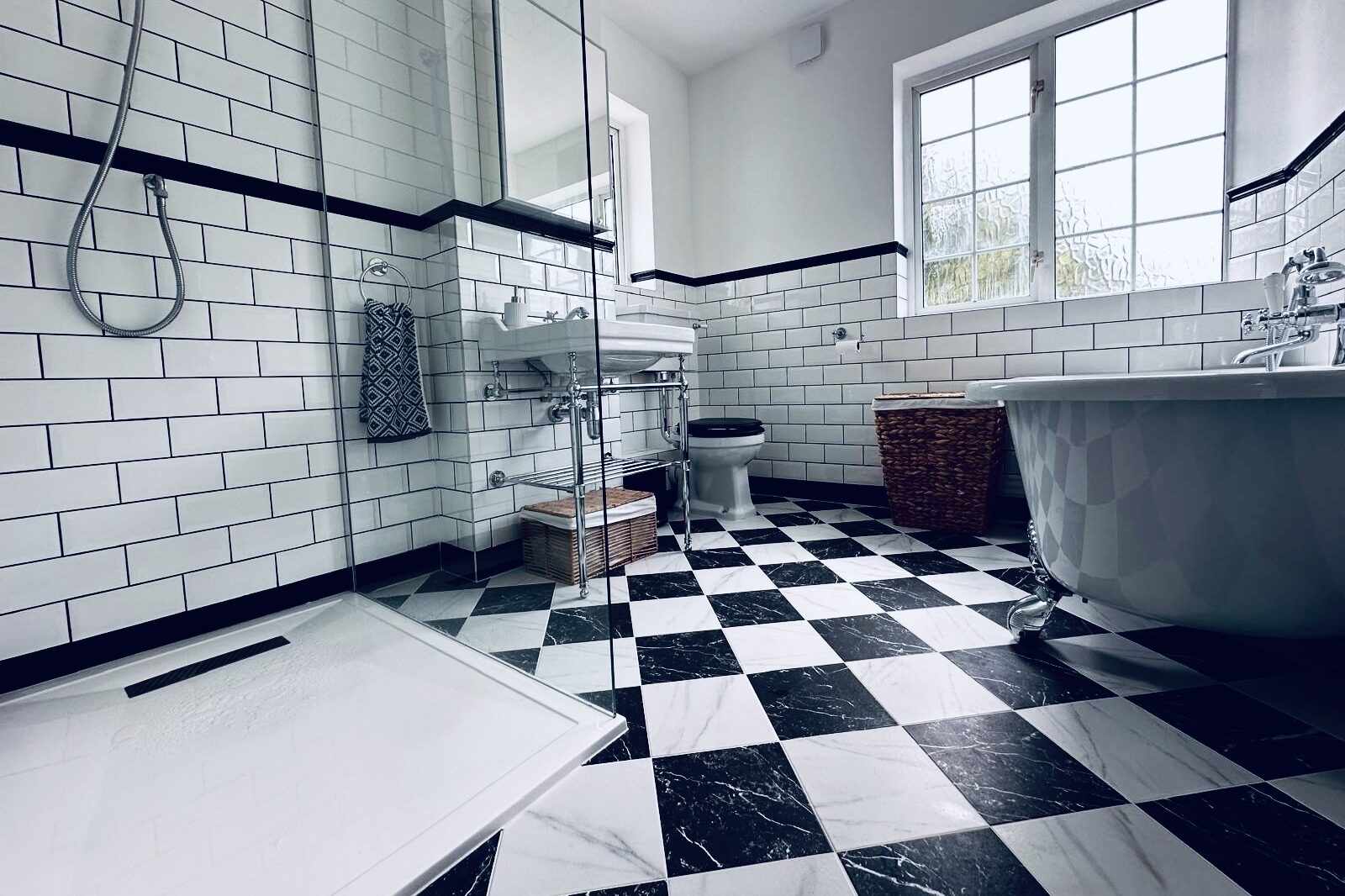
Hugo Oliver’s Victorian-style bathroom renovation in Blackheath shows how much impact the layout can have. The bathroom was enlarged by merging it with an adjacent room, creating space for a new shower area while keeping the black-and-white patterned floor and traditional character central to the design.
Good layout planning should consider whether the bath is the main feature or a supporting element, whether a separate shower can be added comfortably, and how the basin, toilet and storage sit within the overall proportions. The goal is a room that feels elegant, balanced and easy to move through, not one that has been filled with period features at the expense of usability.
Choosing Materials for a Victorian-Style Bathroom
Materials set the tone for a Victorian renovation. Traditional schemes often use a confident mix of ceramic detail, pattern and contrast, but the finishes still need to perform well in a modern bathroom.
Black-and-white patterned floors remain one of the most recognisable Victorian bathroom style ideas. They can create a timeless foundation, particularly when paired with metro wall tiles, traditional sanitaryware and classic fittings. Heritage colours such as deep green, navy, soft blue, warm cream and muted pink can also work beautifully on walls, panelling or vanity furniture.
Metro tiles are a reliable choice because they feel traditional without overpowering the room. A classic brick layout gives a clean period feel, while darker grout, decorative borders or herringbone patterns can add more definition. For a richer look, bolder colour choices can make the room feel more individual while still staying connected to the property’s character.
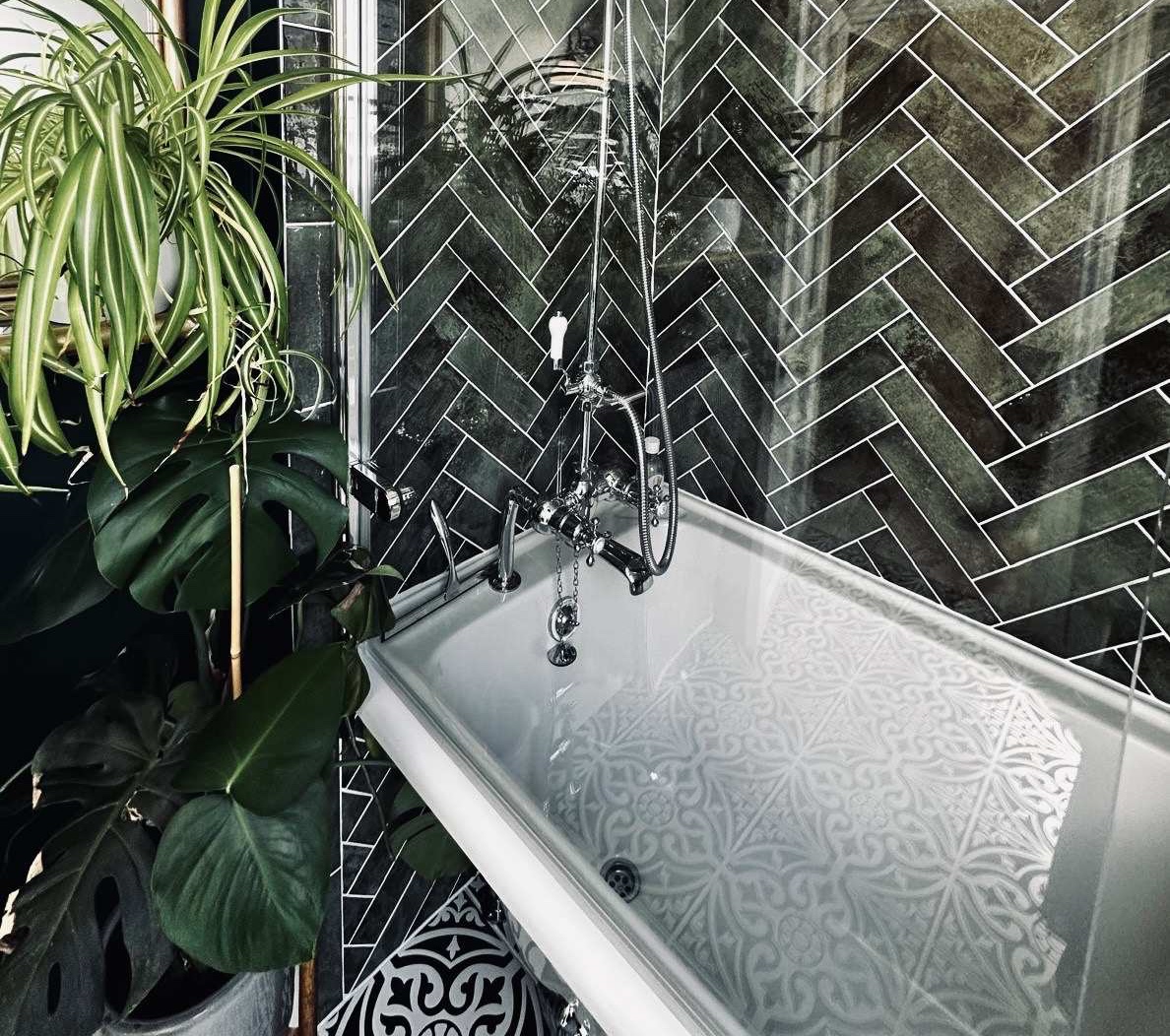
The luxury Victorian bathroom oasis with green herringbone tiles is a good example of how a period-inspired scheme can feel dramatic without losing elegance. The green herringbone tiling and bold monochrome flooring give the room personality, while the overall design still feels controlled and considered.
Freestanding Baths, Showers and Modern Comfort
A freestanding bath is often the first feature people imagine when thinking about Victorian bathroom designs. In the right room, it can create a beautiful focal point, particularly when paired with decorative feet, traditional bath fillers or a carefully chosen tile backdrop.
However, the bath should not dominate the layout if it makes the room harder to use. Many modern households need a proper shower just as much as a bath. A walk-in shower can still work within a Victorian-style bathroom when the details are handled carefully, using traditional shower fittings, discreet glass, classic tiling or finishes that complement the wider scheme.
Hugo Oliver’s Victorian bathroom transformation in Brockley shows how traditional style and modern upgrades can work together. It demonstrates how a bathroom can preserve a period-inspired feel while improving the way the space functions day to day.
Modern comfort should not be seen as a compromise. Underfloor heating, improved ventilation, better lighting, heated towel rails, practical storage and modern waterproofing can all sit quietly behind a traditional scheme. These are the details that make the finished bathroom feel genuinely luxurious rather than simply decorative.
How to Avoid a Bathroom That Feels Too Themed
One of the biggest risks with Victorian bathroom renovations is taking the style too literally. Too many ornate details, too much pattern or too many traditional features can make the room feel staged rather than sophisticated.
A more premium approach is to edit the design carefully. If the floor is bold, the walls may need to be calmer. If the bath is highly decorative, the basin and storage may need simpler lines. If the brassware is ornate, the lighting and mirrors should support the look without competing.
The strongest period-style bathrooms usually have one clear design direction. That might be crisp monochrome, soft heritage colour, decorative tiling, elegant traditional sanitaryware or a more character-led scheme. Once that direction is set, every other choice should support it.
Hugo Oliver’s classic Victorian bathroom renovation in New Eltham offers useful inspiration for homeowners who want a bathroom that feels connected to the wider character of the house. It shows how a traditional scheme can feel complete and considered when the design responds to the property rather than just the trend.
Victorian Bathroom Inspiration for London Homes
Victorian bathroom renovations are especially well suited to London because so many homes already have period character. Terraces, conversions and older townhouses often provide the right setting for traditional details, but the design still needs to feel personal to the client and practical for the property.
Some clients may prefer a classic black-and-white scheme with metro tiles and chrome fittings. Others may want a warmer, more decorative bathroom with green tiles, brassware and painted furniture. Some will want the bath to be the focal point, while others will need the shower to take priority.
The most successful projects do not force the same formula into every home. They take inspiration from Victorian design, then refine it around the room, the property and the way the client wants to live.
For further guidance, Hugo Oliver’s existing article on Victorian bathroom renovations and modern luxury is a useful supporting read, particularly for homeowners who want to understand how period features can be respected while improving comfort and practicality.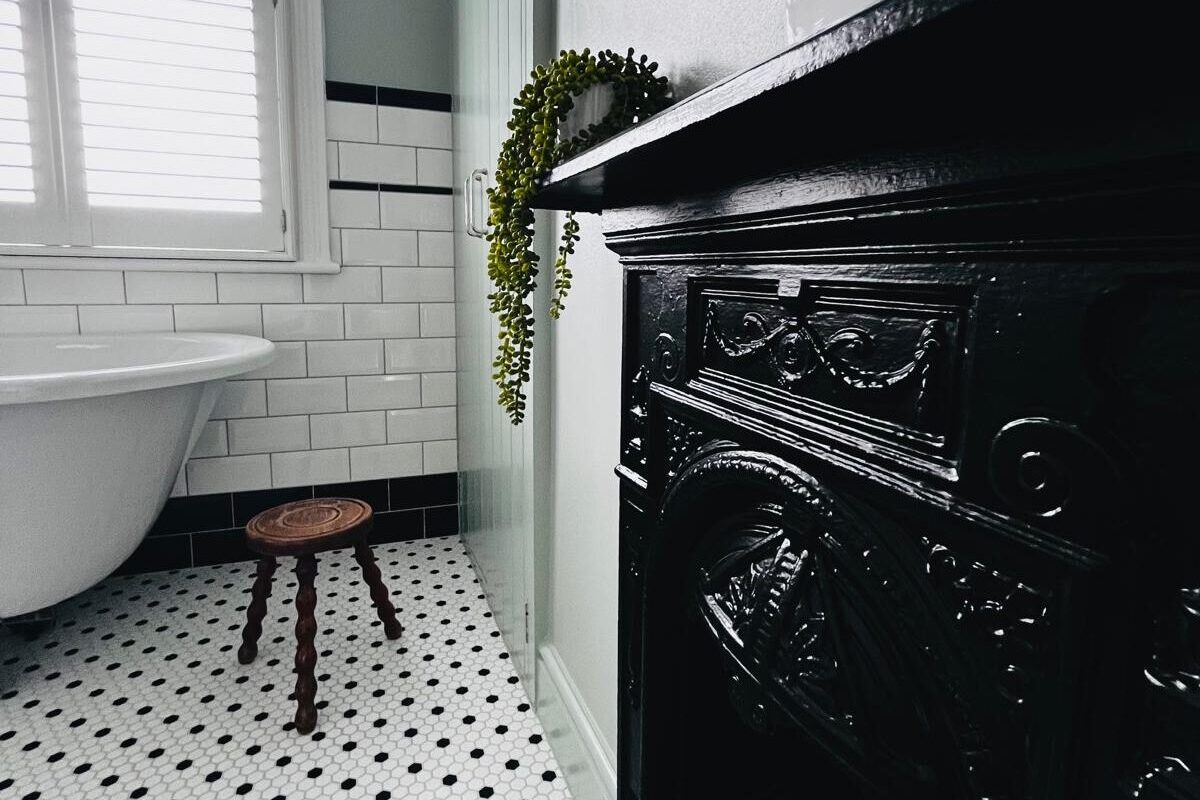
Planning a Victorian Bathroom Renovation With Confidence
A Victorian-style bathroom should feel elegant, characterful and easy to live with. That depends on far more than choosing traditional products. The layout, materials, lighting, storage, heating, plumbing and installation all need to be considered together from the beginning.
Hugo Oliver can help bring those decisions into one clear design process, from early inspiration and product selection through to installation. Whether the aim is a classic roll-top bath, a practical period-style shower room, a bolder patterned floor or a complete Victorian bathroom renovation, the right design approach will make the space feel both timeless and personal.
With careful planning, Victorian bathroom designs can offer the best of both worlds: the charm and craftsmanship of a period-inspired interior, with the comfort, performance and ease expected from a modern luxury bathroom.
If you are unsure on how best to approach this in your property Book a design consultation.


